Rebranding means changing how your business looks, sounds or is named so it better matches who you are now. Done well, it can make a business look as good as it actually is. Done for the wrong reasons, it's an expensive way to confuse your existing customers.
I've helped businesses with both quick refreshes and full rebuilds. Here's how to tell which one you need, and a checklist to get it right.
Signs it's time to rebrand
- You've outgrown it. The brand was made for a side project and you're now pitching enterprise clients or investors.
- Your audience changed. You started selling to students and now sell to professionals, or moved upmarket.
- Your offer changed. The name or look describes a product you no longer focus on.
- It looks dated. Design trends of a decade ago (heavy gradients, bevels, overly complex logos) make a business feel behind.
- It's inconsistent. Years of different designers have left you with several versions of the logo and no rules.
- You blend in. Competitors look almost identical and customers mix you up.
- Merger, acquisition or legal issues, including a name you can't trademark.
Bad reasons to rebrand: you're bored of the logo, a new manager wants to leave a mark, or sales are down for reasons that have nothing to do with how you look.
Rebrand to fix a real mismatch between who you are and how you look, not because you've seen your logo too many times.
Brand refresh vs full rebrand
A brand refresh keeps your name and the core of your logo but modernises the details: cleaner logo drawing, updated colours and fonts, new photography style, guidelines and templates. It's lower risk and keeps the recognition you've built.
A full rebrand changes the strategy and often the name and logo entirely. It's right when the business itself has changed fundamentally, or the old brand is actively hurting you.
Most small businesses I work with need a refresh, not a full rebrand.
How often should you rebrand?
There's no fixed schedule. Many businesses do a light refresh every five to ten years to keep things current, and a full rebrand only when the business changes significantly. Big brands evolve their identities slowly and often, so customers barely notice the steps.
Rebranding checklist: step by step
1. Define why
- Write down the problem the rebrand must solve in one or two sentences.
- Decide what success looks like (for example, better-fit enquiries, higher prices, easier recruitment).
2. Audit what you have
- Collect every place your brand appears: website, social profiles, signage, packaging, vehicles, uniforms, documents, email signatures, presentations, ads, listings.
- Note what customers already recognise and value. Keep the equity worth keeping.
3. Research
- Talk to a few customers about how they see you.
- Map competitors' look and messaging so the new brand stands apart.
- If changing the name, check domain, social handles and trademark availability early.
4. Strategy and positioning
- Agree audience, promise, personality and key messages before any design.
5. Design the new identity
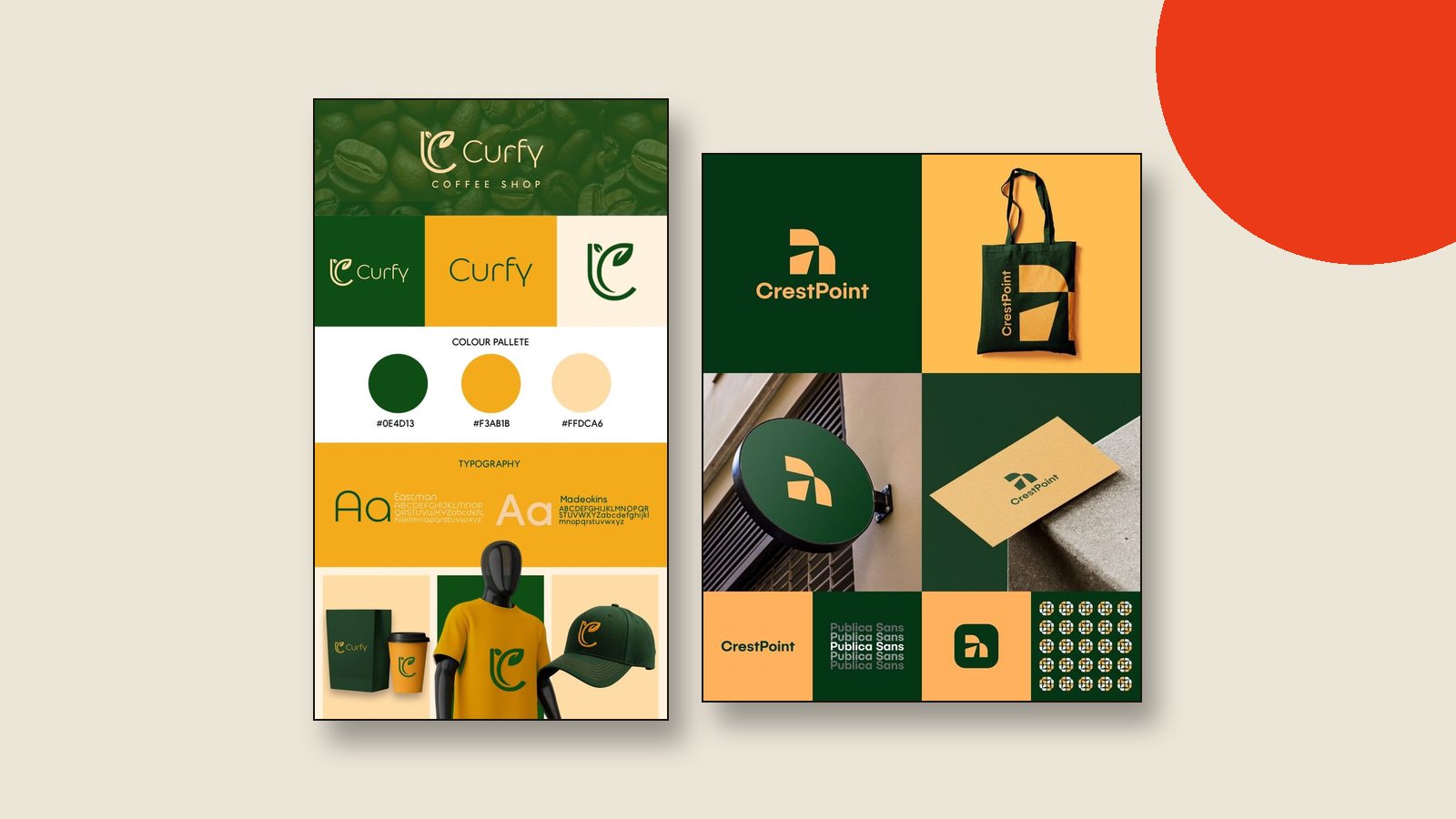
- Logo system, colours, typography, imagery and graphic elements (see brand identity design).
- Test it on real applications, not just on a white page.
6. Write guidelines and build templates
- Create brand guidelines and templates for social posts, documents and presentations.
7. Plan the rollout
- Prioritise: website, social profiles and Google Business Profile first; printed items as stock runs out.
- Update email signatures, invoices, contracts and pitch decks.
- If your domain changes, set up 301 redirects from every old URL so you keep your search rankings.
8. Announce it
- Tell existing customers first, explaining what changes and what doesn't.
- Share the story behind it on your website, email and social media.
- Brief your team so everyone explains it the same way.
Rebranding examples: what works
Successful rebrands usually keep something familiar. Many big brands simplify rather than reinvent: flatter logos, fewer colours, cleaner type. The rebrands that get the most backlash are the ones that throw away everything customers recognised, or change things without explaining why. A clear story ("we've grown, and our brand now reflects what we actually do") goes a long way.
Don't forget your website and SEO
A rebrand is the perfect moment to fix a website that isn't working, but it's also the moment businesses accidentally lose search traffic. Keep URLs where you can, redirect the rest, and update your business name everywhere it's listed. If the site needs rebuilding, my posts on small business website costs and why websites don't convert will help.
Frequently asked questions
What is rebranding?
Rebranding is changing a business's visual identity, messaging or name so it better reflects who the business is and who it serves. It can be a light refresh or a complete change.
How often should a business rebrand?
There is no fixed rule. Many businesses refresh their brand every five to ten years and only do a full rebrand when the business changes significantly, such as a new audience, new offer or merger.
What is the difference between a rebrand and a brand refresh?
A brand refresh updates details like the logo drawing, colours and fonts while keeping the name and core identity. A full rebrand changes the strategy and often the name and logo entirely.
How do I rebrand without losing customers?
Keep familiar elements where possible, tell existing customers first, explain why you are changing, roll out across all touchpoints together, and redirect old web addresses so people and search engines can still find you.
How much does rebranding cost?
For a small business, a brand refresh with an experienced freelance designer often costs a few thousand dollars, while a full rebrand including strategy, name, identity and rollout costs more, especially with an agency.
Planning a rebrand?
I help small businesses and startups refresh or rebuild their brand: identity, guidelines, website and rollout assets.
Talk it through →