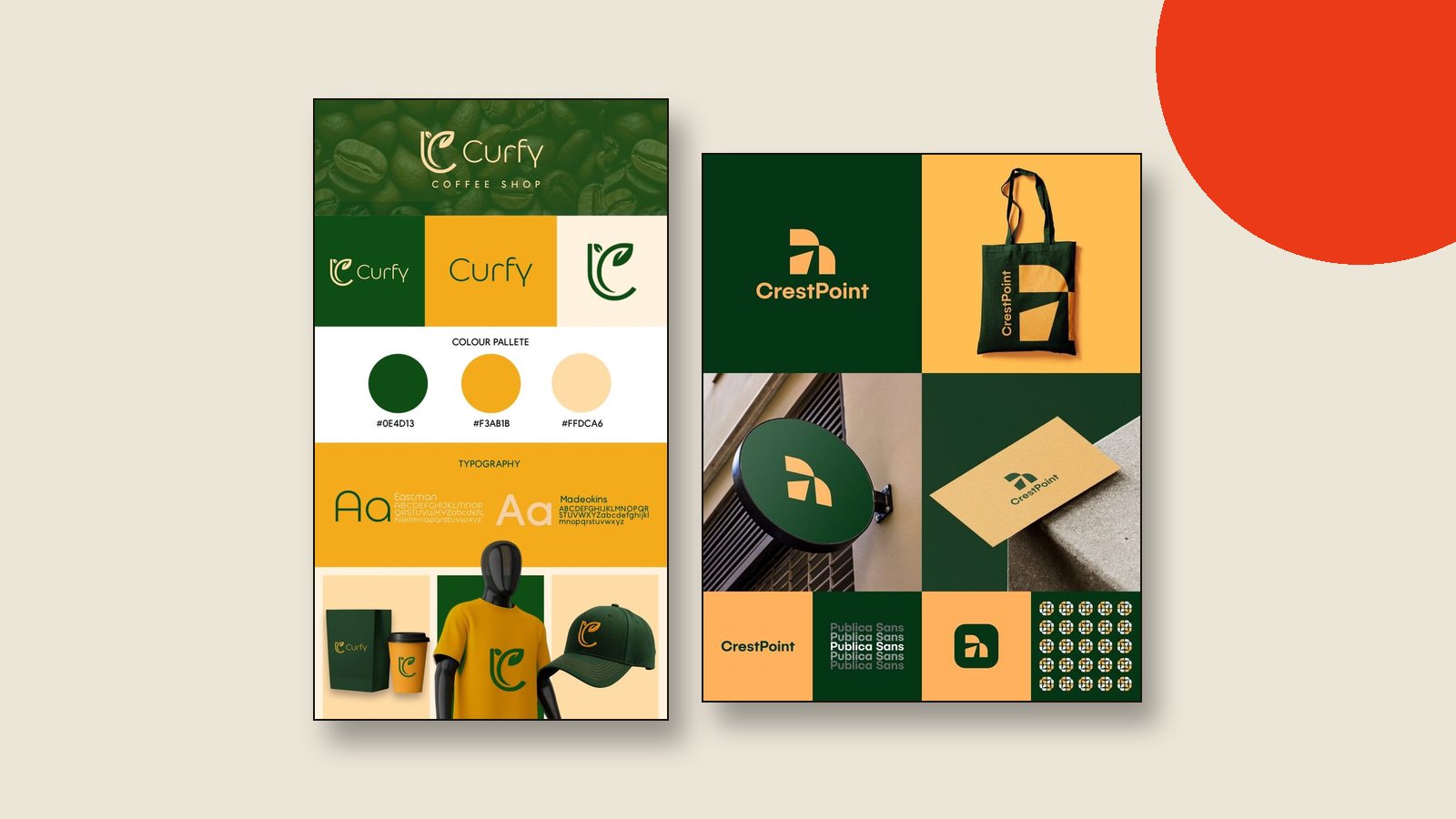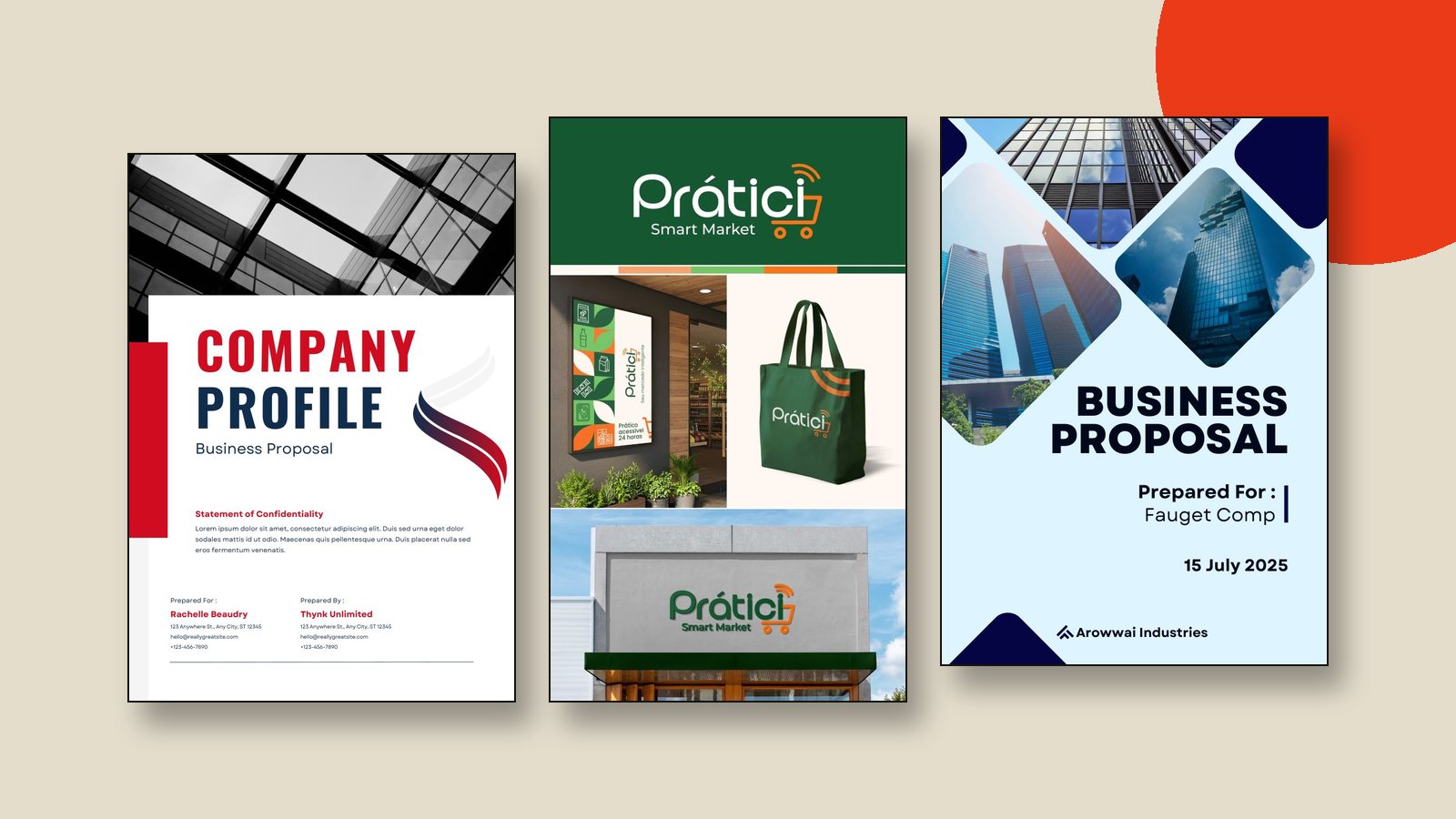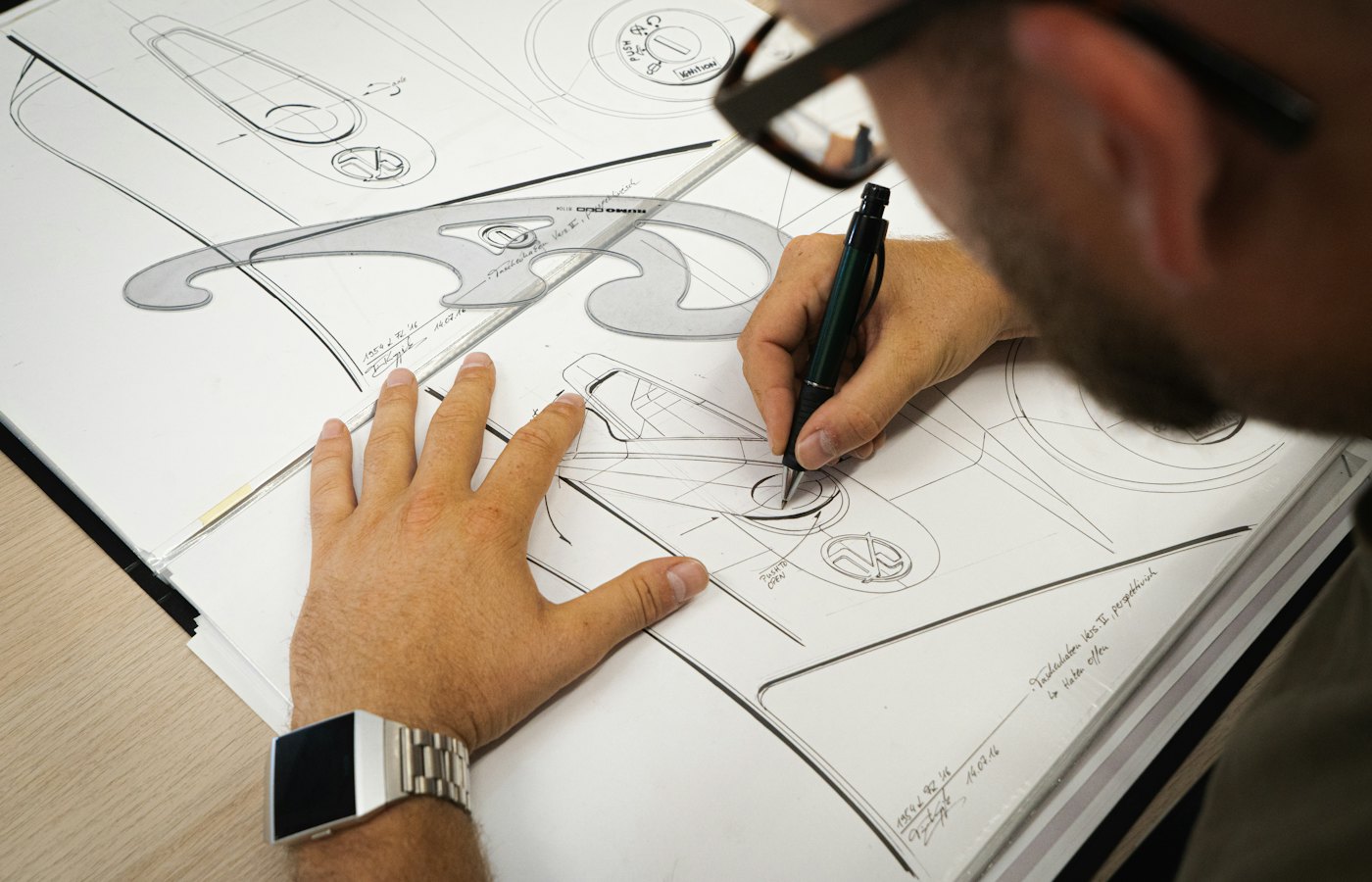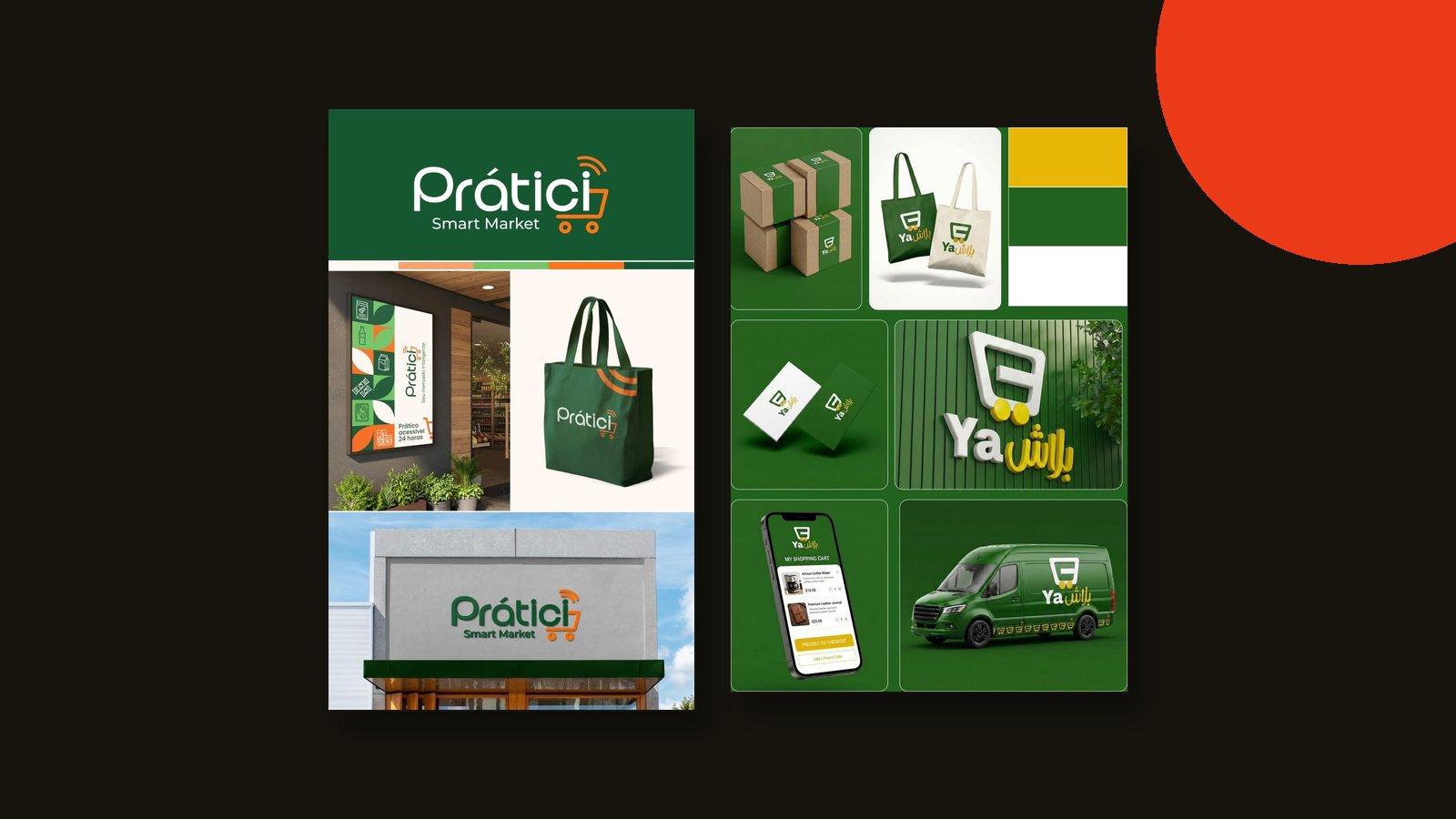
Your packaging is often the first real contact someone has with your product, and on a shelf or a product listing you get a second or two to make it count. Good product packaging design does three things at once: it gets noticed, explains what's inside, and makes the price feel right.
I design packaging and labels for small brands alongside their identity. This guide walks through how to design product packaging step by step, what to put on it, and the mistakes I see most often.
What makes packaging design work
- Shelf impact: it stands out from what's next to it, from a few metres away.
- Clarity: within seconds, a shopper knows what it is, who it's for and why it's different.
- Brand recognition: it looks like the rest of your brand and is easy to find again.
- Practicality: it protects the product, fits shipping and shelves, and meets legal requirements.
How to design product packaging: step by step
1. Know where it will be seen
A supermarket shelf, a boutique, an Amazon thumbnail and an Instagram unboxing all need different priorities. For online sales, your packaging needs to read as a tiny square image. For retail, it needs to work from a distance and side by side with competitors.
2. Study the category
Photograph or screenshot competitors' packs and lay them out together. Note the colours, shapes and claims everyone uses. Then decide which conventions to keep (so shoppers know what the product is) and which to break (so they notice you).
3. Choose the structure
Box, pouch, jar, bottle, tube, sleeve or bag. Talk to your printer or manufacturer early: they'll give you the dieline (the flat template showing folds, cuts and safe areas), and that shapes everything else.
4. Set the information hierarchy
Decide what people should read first, second and third. Usually: brand, product name, the one key benefit or flavour, then supporting details. If everything is big, nothing stands out.
5. Design with your brand identity
Packaging should use your logo, colours and fonts so the product is unmistakably yours. If you don't have a full identity yet, it's worth designing the two together. (See what brand identity design includes.)
6. Mock it up and test it
Print a physical prototype, wrap it around the real product and put it on a shelf next to competitors. Check it on a phone screen as a thumbnail. You'll spot problems you'd never see on a monitor.
7. Prepare print-ready files
CMYK or Pantone colours, bleed, correct dieline, outlined fonts or embedded fonts, barcode at the right size, and a proof from the printer before the full run.
On the shelf, nobody reads your packaging. They scan it. Design for the scan first and the read second.
What to put on packaging and labels
- Brand name and logo
- Product name and variant (flavour, scent, size)
- The main benefit, in a few words
- Net quantity or weight
- Ingredients or materials, and usage or care instructions
- Barcode, batch number and expiry date where needed
- Business name and contact or address
- Certifications, recycling symbols and required warnings
Rules vary by country and product type, so check the regulations where you'll sell before finalising.
Food packaging design: extra considerations
Food packaging design has stricter rules and higher stakes. Most markets require ingredients, allergens (often highlighted), nutrition information, net weight and best-before dates in specific formats. Beyond compliance, appetite appeal matters: real food photography or illustration that makes the product look delicious, colours that match the flavour, and clear variant colour-coding across a range.
Common packaging design mistakes
- Too much text on the front. Move detail to the back and sides.
- Tiny product names that disappear from a distance.
- Ignoring the dieline, so text lands on a fold or gets cut off.
- Colours that change in print. Screen colours don't match ink; always get a printed proof.
- No system for variants. A product range should look like a family, with colour or pattern changes for each flavour or size.
- Designing only for the shelf and forgetting how it looks as an online thumbnail.
How much does packaging design cost?
For a small brand, designing a single label or box with an experienced freelance designer often costs a few hundred to a couple of thousand dollars, depending on complexity, the number of sides and whether brand work is included. A full product range or a packaging system with several variants costs more, and agencies charge significantly more. Printing and manufacturing are separate costs, so get quotes for both early.
Packaging works best when it's part of a consistent brand. If you're launching, read the branding mistakes that make startups look amateur, and see what a logo should cost. You can see examples of packaging and brand work in my portfolio.
Frequently asked questions
How do I design product packaging?
Decide where the product will be sold, study competitors, choose the packaging structure and get the dieline, set a clear information hierarchy, apply your brand identity, test physical and digital mockups, then prepare print-ready files.
What should be on product packaging?
Typically the brand and product name, variant, main benefit, net quantity, ingredients or materials, instructions, barcode, business details, certifications and any legally required warnings or dates.
How much does packaging design cost?
A single label or box from an experienced freelance designer often costs from a few hundred to a couple of thousand dollars. Product ranges, complex structures and agency projects cost more. Printing is a separate cost.
What makes good food packaging design?
Clear compliance information such as ingredients, allergens and nutrition, strong appetite appeal through photography or illustration, colours that match flavours, and a consistent system across the product range.
What is a dieline in packaging design?
A dieline is the flat template for a package that shows where it will be cut, folded and glued, plus safe areas for text and artwork. Printers or packaging manufacturers usually provide it.
Launching a product?
I design packaging, labels and the brand identity behind them, print-ready and built for your shelf.
Get a quote →